
Buying guides
Waterproof vs Water-Resistant Bags: IP Ratings Explained
"Waterproof" is a marketing word; IP ratings are a test. Here's how to tell them apart when you shop.
By the Rihla team · · 2 min read
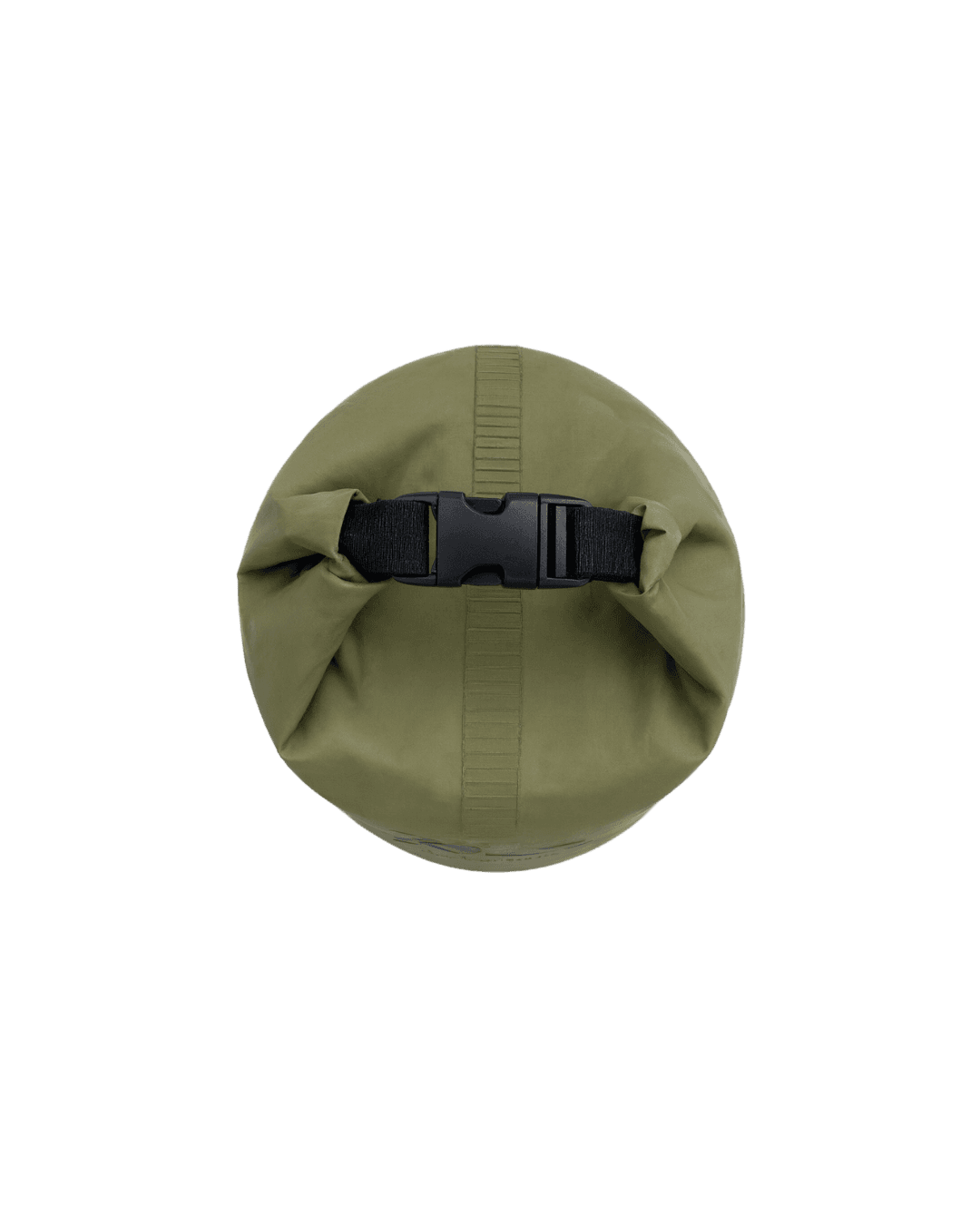
Walk into any shop and half the bags claim to be "waterproof" or "water-resistant". Those words aren't regulated for bags — they mean whatever the seller wants. The only objective language you'll see is the IP rating, and even that is easy to misread. Here's how to cut through it.
Water-resistant vs waterproof
- Water-resistant generally means the material sheds light water: a drizzle, a splash, a wet bench. Water can still get in through seams and zips if the exposure lasts.
- Waterproof should mean water cannot get in under the conditions stated by the maker — including at the seams and the opening. A genuinely waterproof bag has a sealed closure (like a roll-top) and welded or taped seams.
The key point: the fabric is rarely what fails. Stitch holes, zip ends and an open or badly closed top are where water gets in.
What an IP rating is
"IP" stands for Ingress Protection, defined in the international standard IEC 60529. It has two digits: the first is protection against solids (dust), the second against water. An X means "not tested" for that category — so IPX7 means water-tested but dust not tested, while IP67 is dust-tight and water-tested to the same level.
| Water rating | Roughly means |
|---|---|
| IPX4 | Splashing water from any direction |
| IPX5 | Low-pressure water jets |
| IPX6 | Powerful water jets |
| IPX7 | Temporary immersion — up to 1 metre for 30 minutes |
| IPX8 | Continuous immersion beyond that, as specified by the maker |
Why the closure matters more than the number
Even a bag with an excellent rating fails if it isn't sealed. Roll-top bags depend on you folding the top over enough times — see how to close a roll-top dry bag. That's why guidance from dry-bag makers always starts with the rolls, not the fabric.
How to choose
- Rain and spray only: a water-resistant bag is usually fine.
- Boats, kayaks, beaches, anything that might get dunked: choose a roll-top waterproof bag.
- Electronics: use a waterproof bag and a sealed inner pouch as a backup.
- Always test first with something harmless inside — here's how.
Rihla's own guidance is simple: roll the top at least three times and clip it shut. If you want to compare the two sizes, see the 5L and 15L product pages, or read our full waterproof bag guide.
Frequently asked questions
What does IPX7 mean?
IPX7 means the item has been tested for temporary immersion in water — up to 1 metre for 30 minutes. The X means dust protection wasn't tested.
What's the difference between IPX7 and IP67?
Both have the same water rating. IP67 adds a 6 for dust-tight protection, while IPX7 states the dust protection was not tested.
Is water-resistant good enough for a backpack?
For drizzle and short showers, usually. For heavy rain, river crossings or boats, use a roll-top waterproof bag or a pack liner for the important items.
Keep reading
Buying guides
Waterproof Bags (Dry Bags) Explained: How to Choose
Everything that actually matters when choosing a waterproof bag — closure, seams, size and straps — without the marketing noise.
· 3 min read
Buying guides
Dry Bag vs Pack Liner vs Waterproof Backpack
Three ways to keep a pack's contents dry — and the combination most hikers end up using.
· 2 min read