Lebanon outdoors
Hiking in Lebanon: How to Keep Your Gear Dry
A practical waterproofing system for Lebanese trails — from the Lebanon Mountain Trail to day hikes near the coast.
By the Rihla team · · 2 min read
Lebanon has a Mediterranean climate, but the mountains make it unpredictable: a clear morning can become a storm by the afternoon, and evenings in the high country are cold even when the coast is warm. Whether you're walking a section of the Lebanon Mountain Trail, exploring the Qadisha Valley, the Chouf or Akkar, or doing a day hike close to Beirut, the plan is the same — expect water, and protect what matters.
Why your backpack isn't waterproof
Most hiking backpacks are water-resistant at best. Rain finds its way in through seams, zips and the back panel, and a soaked pack gets heavy. The fix is not a more expensive pack — it's putting the things that must stay dry inside waterproof bags within the pack.
A simple system that works
- Pack liner or dry bags for the main load. A liner protects everything inside the pack; roll-top bags protect specific items. Our comparison of dry bags, pack liners and waterproof backpacks explains when to use which.
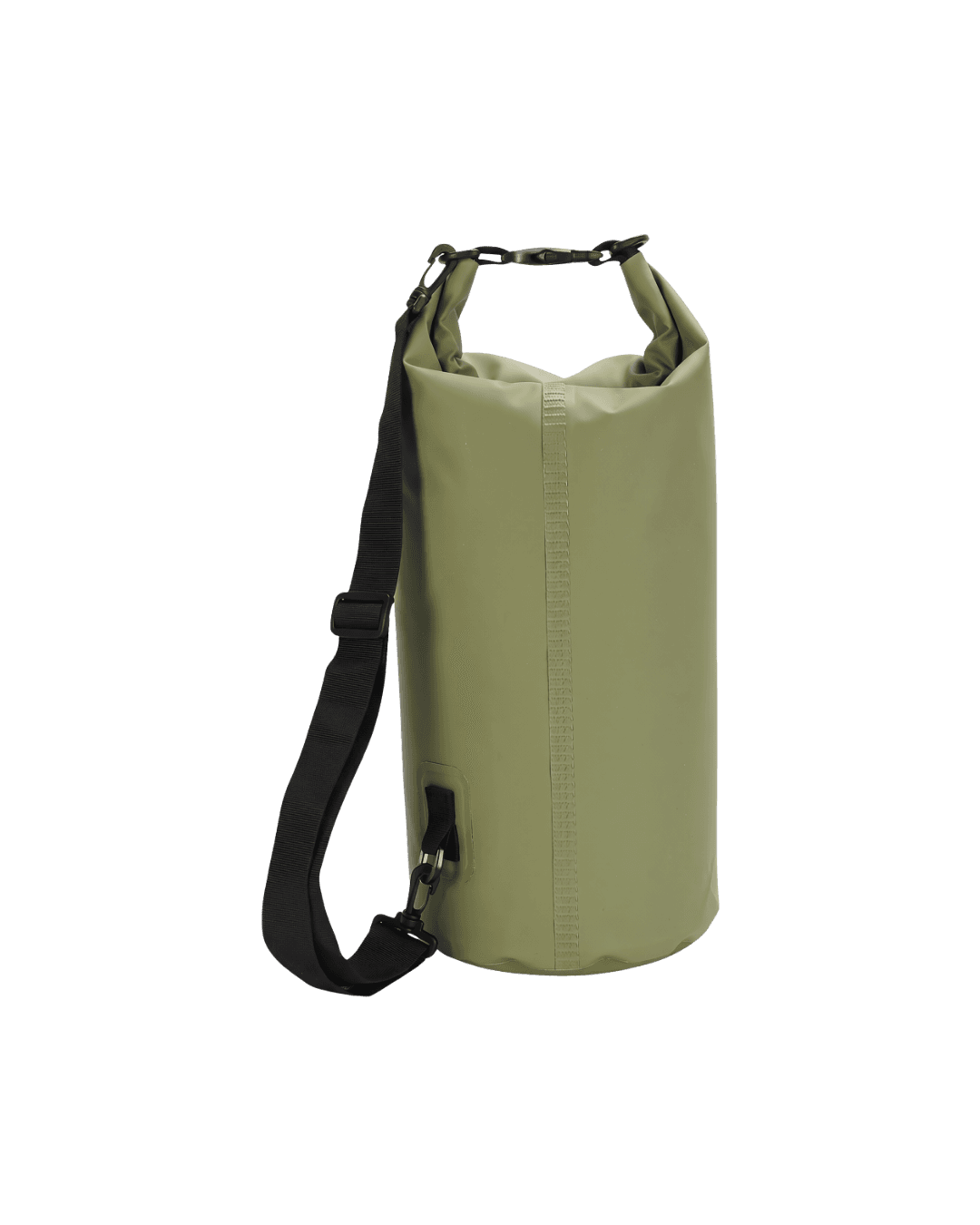
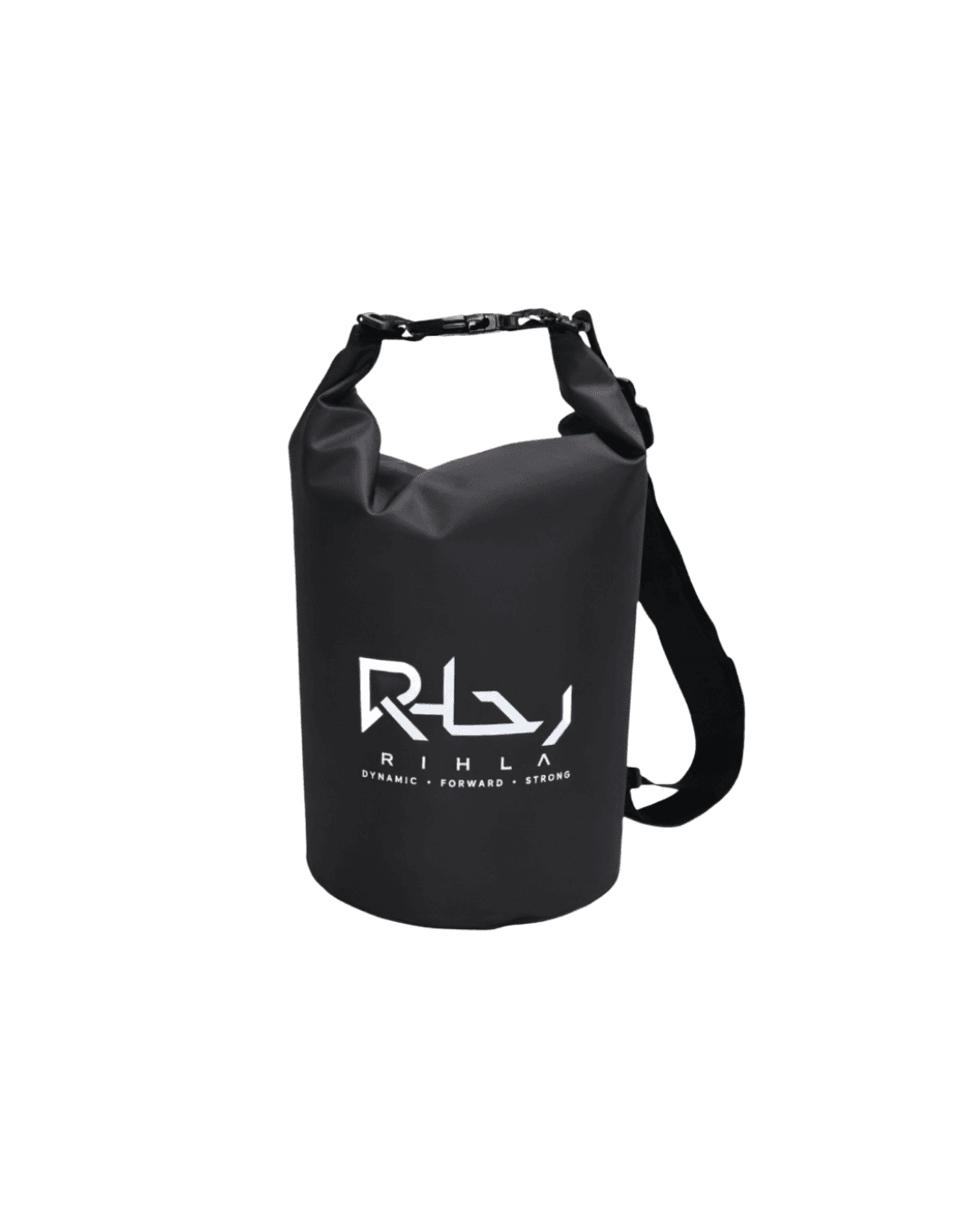
- One small bag for essentials you reach for. Phone, wallet, keys, a headlamp and a first-aid kit in a 5L roll-top, kept near the top of the pack or worn across your body.
- One larger bag for your dry layers. A spare layer and your sleeping clothes in a 15L roll-top stay dry no matter what the day brings.
What goes in the dry bag
- Phone, power bank and charging cable
- Spare insulating layer and dry socks
- Wallet, ID and cash
- Headlamp and spare batteries
- Food you don't want soggy
- Map or navigation backup — trails can be thinly marked, so a backup matters.
River crossings and spray
In spring, snowmelt can swell streams and make crossings wetter than expected. A sealed roll-top bag protects against splashes and brief dunks — but if you're wading in anything above knee height, unbuckle your hip belt and chest strap first, and keep valuables dry and secure. Always test a bag before relying on it.
Which size for hiking?
For day hikes, a 5L covers your essentials. For overnights or when you're carrying spare clothing and food, step up to a 15L. The Rihla 15L fits a full change of clothes and snacks, and pairs well with a backpack for bulkier kit like a tent. The Rihla 5L is the essentials bag. See the size guide for the details.
Conditions and trail markings change — always check recent trail reports and the weather forecast, tell someone your route, and go with a group or a local guide if you're unfamiliar with the area.
Frequently asked questions
Do I need a waterproof bag for hiking in Lebanon?
It's worth having. Weather in the mountains changes quickly, and most backpacks aren't waterproof. A small roll-top bag for your phone, wallet and spare layer is cheap insurance.
What size dry bag should I take hiking?
A 5L for essentials on day hikes; a 15L for overnights or when you're carrying a spare layer, clothes and food.
Is a pack liner better than a dry bag?
They do different jobs. A liner protects the whole pack; dry bags protect specific items and handle splashes and dunks better. Many hikers use both.
Keep reading
Buying guides
Dry Bag vs Pack Liner vs Waterproof Backpack
Three ways to keep a pack's contents dry — and the combination most hikers end up using.
· 2 min read
Buying guides
What Size Waterproof Bag Do You Need? 5L vs 15L Guide
What actually fits in a 5L and a 15L waterproof bag — and how to choose between them.
· 2 min read