
Motorcycle
How to Secure a Dry Bag on a Motorcycle or Scooter
Where to put a dry bag on a bike, which straps to use, and how to keep it from shifting.
By the Rihla team · · 2 min read
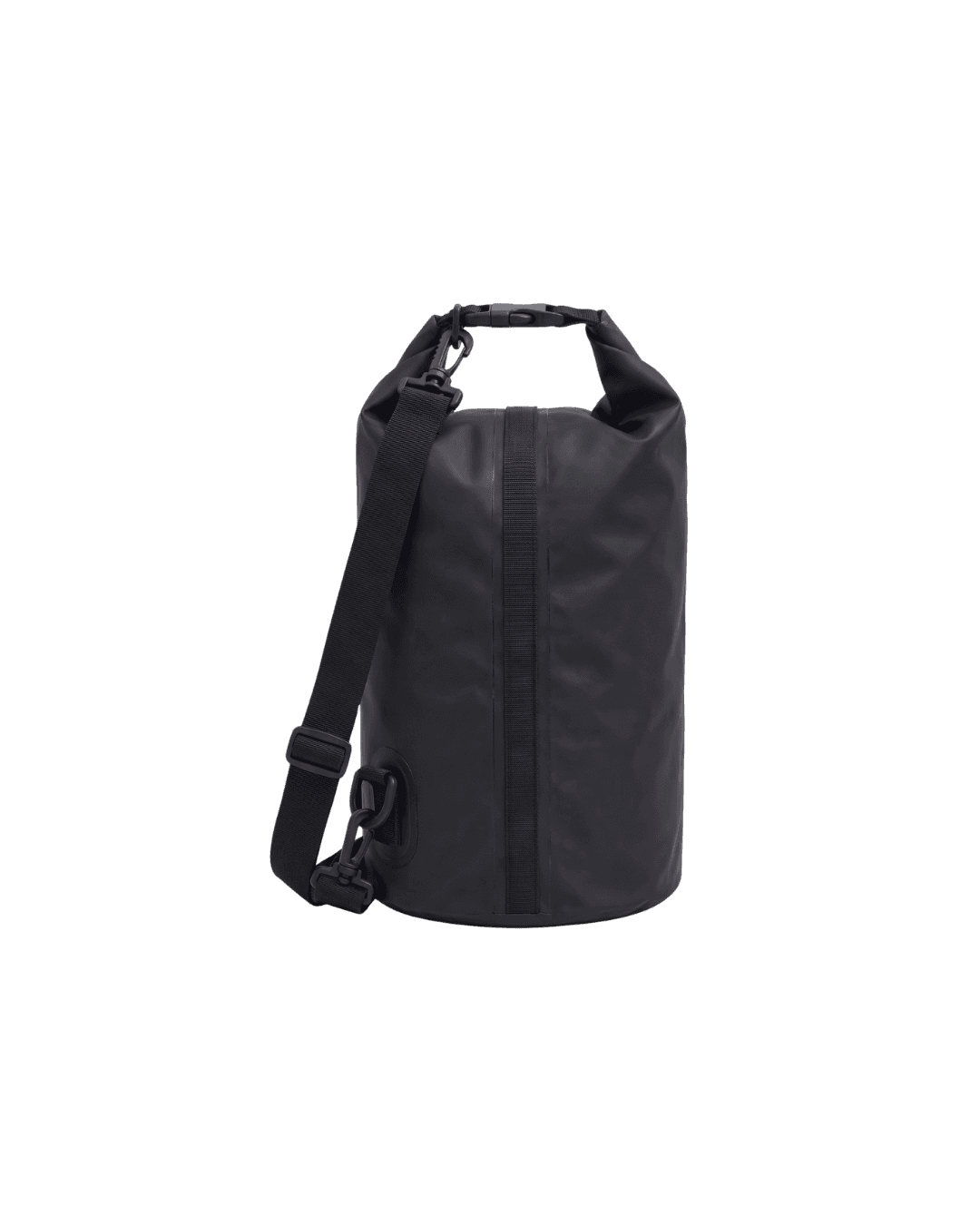
A dry bag is soft and its contents can shift, which makes it slightly trickier to secure than a rigid box. Done properly, though, it rides happily on a rear rack or passenger seat. These are the habits experienced riders use — treat them as general guidance and always follow your bike's load limits in the owner's manual.
Choose the right spot
- Passenger seat: fine for a solo rider; the bag sits low and central.
- Rear rack: the most stable place if your bike has one.
- Behind a backrest or sissy bar: works for lighter bags if the bag is supported from below as well as strapped.
Whatever you pick, the load must not block your number plate, tail light or indicators, and it must not interfere with the seat, your riding position or the suspension.
Use the right straps
- Cam-buckle or ratchet straps hold better than bungee cords, which stretch and let loads bounce.
- Several short straps beat one long one. They spread the load and keep it from sliding sideways.
- Don't over-tighten. Cranking a strap down on a soft bag can distort the roll-top and strain the seams.
Step by step
- Pack and seal the bag first. Roll the top at least three times and clip it — here's how. Put the heaviest items low and centred.
- Position it along the line of the bike, not across it, with the D-rings facing where your straps will run.
- Run a strap through the D-rings or attachment points and under the rack rails or around a fixed grab point — not over exhaust parts, wheels or the chain.
- Add a second strap in a different direction to stop forward-and-back or side-to-side movement.
- Tighten evenly, then push and pull the bag firmly. It should move with the bike, not on it.
- Tuck loose strap ends away. A dangling end can reach a wheel or the chain.
- Re-check after the first ten minutes. Loads settle and straps loosen.
Protect the bag
Rubbing on a rack for hours wears through any fabric, and strong sun weakens it over time. Keep the reinforced base facing the contact point, wipe the bag clean after dusty rides and give it an inspection now and then — see how to test, clean and store a dry bag.
Which bag suits this?
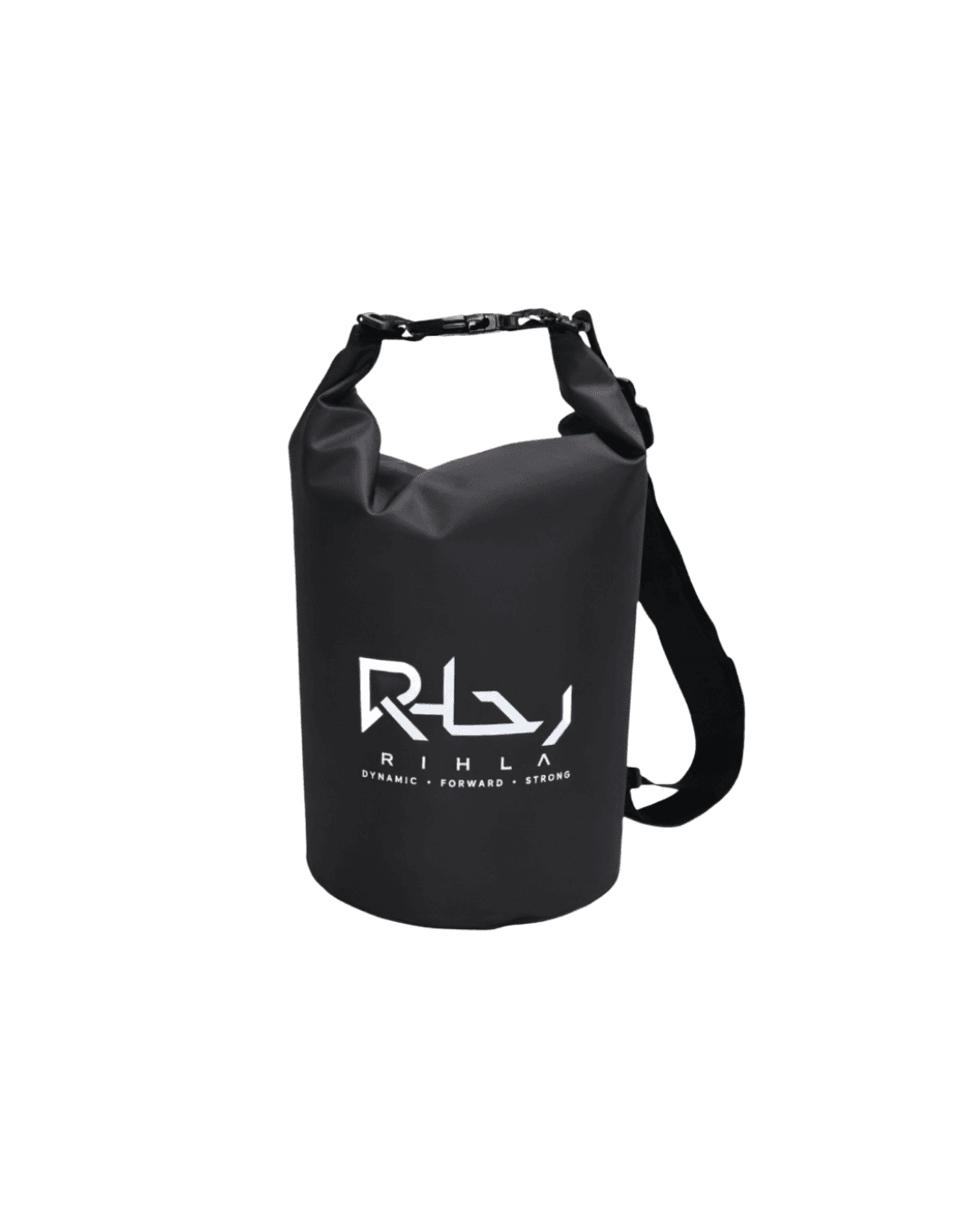
A compact bag is easier to secure. The Rihla 5L is small enough for a passenger seat or rack; the Rihla 15L has room for a rain layer and a change of clothes. See the full motorcycle dry bag guide for sizing and what to pack.
Frequently asked questions
Where is the best place to strap a dry bag on a motorcycle?
A rear rack is the most stable spot; the passenger seat works well for solo riders. Keep the load low, central and clear of the number plate, lights, wheels, chain and exhaust.
Are bungee cords OK for a dry bag?
They work in a pinch, but they stretch and let loads bounce. Cam-buckle or ratchet straps hold more securely.
How tight should the straps be?
Tight enough that the bag doesn't move independently of the bike, but not so tight that you distort the roll-top or strain the seams.
Keep reading
Motorcycle
Motorcycle Dry Bag Guide: What to Look For
How to pick a waterproof bag for a motorcycle or scooter — and where a roll-top dry bag works and doesn't.
· 2 min read
Buying guides
What Size Waterproof Bag Do You Need? 5L vs 15L Guide
What actually fits in a 5L and a 15L waterproof bag — and how to choose between them.
· 2 min read